
0
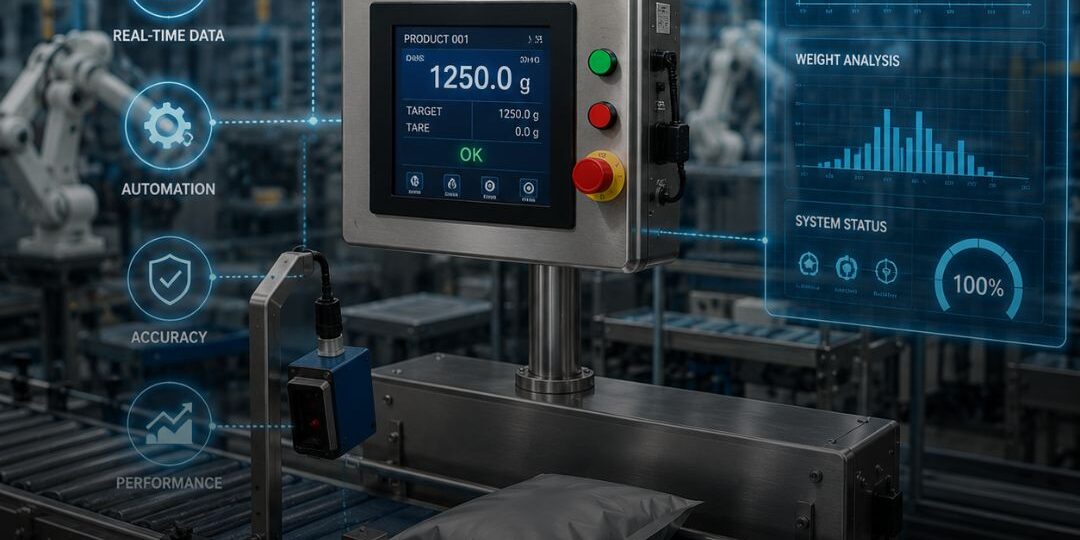
Industrial Automation in Weighing Systems: The Future of Smart Manufacturing
The manufacturing industry is undergoing a major transformation driven by Industrial Automation, smart technologies, and data-driven decision-making. Businesses are increasingly adopting automated systems to improve efficiency, accuracy, productivity, and quality control.
One area where automation is creating a significant impact is industrial weighing. Modern Weighing Machine solutions are no longer standalone devices used only for measuring weight. They have evolved into intelligent systems that integrate with production lines, ERP software, inventory management systems, and Industry 4.0 technologies.
In this article, we explore how industrial automation is revolutionizing weighing systems and shaping the future of smart manufacturing.
What is Industrial Automation?
Industrial Automation refers to the use of control systems, sensors, software, robotics, and intelligent machines to perform manufacturing processes with minimal human intervention.
The primary goals of industrial automation are:
- Improve productivity
- Reduce operational costs
- Minimize human errors
- Enhance product quality
- Increase workplace safety
- Enable real-time monitoring and control
Automation has become a critical component of modern manufacturing facilities seeking greater efficiency and competitiveness.
The Evolution of Weighing Machines
Traditional weighing machines required manual operation and data recording. While effective, they often created bottlenecks in production environments.
Today’s automated Weighing Machine systems offer:
- Digital weight measurement
- Automatic data collection
- Real-time monitoring
- Production line integration
- Remote access and reporting
- Automated quality control
These advancements help manufacturers streamline operations and improve overall productivity.
How Industrial Automation is Transforming Weighing Systems
- Real-Time Data Collection
Modern automated weighing systems continuously collect and process weight data throughout production.
Benefits include:
- Instant weight verification
- Production tracking
- Inventory monitoring
- Performance analysis
- Reduced paperwork
Manufacturers gain better visibility into operations and can make informed decisions based on accurate data.
- Seamless Production Line Integration
Automated weighing machines can integrate directly with conveyors, packaging systems, filling machines, and sorting equipment.
This enables:
- Continuous production flow
- Faster processing speeds
- Reduced downtime
- Improved operational efficiency
Integrated systems eliminate the need for manual intervention while maintaining consistent product quality.
- Enhanced Accuracy and Consistency
Human errors can lead to incorrect measurements, product wastage, and compliance issues.
Automated weighing systems provide:
- High precision measurements
- Consistent performance
- Reduced product giveaway
- Improved batch control
Accurate weighing is especially critical in industries such as food processing, pharmaceuticals, chemicals, and logistics.
- Automated Quality Control
Modern weighing machines can automatically identify:
- Underweight products
- Overweight products
- Missing components
- Packaging inconsistencies
By detecting issues immediately, manufacturers can reduce defects and improve customer satisfaction.
- Smart Inventory Management
Industrial automation enables weighing systems to communicate directly with inventory management software.
Advantages include:
- Accurate stock monitoring
- Automatic inventory updates
- Better warehouse management
- Reduced inventory discrepancies
This improves supply chain efficiency and minimizes stock-related errors.
Industry 4.0 and Smart Weighing Systems
Industry 4.0 is transforming manufacturing through connected devices, data analytics, artificial intelligence, and IoT technologies.
Smart weighing systems now support:
- IoT Connectivity
Connected weighing machines can share data across multiple systems and locations in real time.
- Cloud Monitoring
Manufacturers can monitor production data remotely through cloud-based platforms.
- Predictive Maintenance
Sensors can identify potential equipment issues before failures occur, reducing unexpected downtime.
- Advanced Analytics
Production managers can analyze trends, optimize workflows, and improve operational efficiency using real-time data.
H2- How Industrial Automation is Transforming Weighing Systems
- Real-Time Data Collection
Modern automated weighing systems continuously collect and process weight data throughout production.
Benefits include:
- Instant weight verification
- Production tracking
- Inventory monitoring
- Performance analysis
- Reduced paperwork
Manufacturers gain better visibility into operations and can make informed decisions based on accurate data.
- Seamless Production Line Integration
Automated weighing machines can integrate directly with conveyors, packaging systems, filling machines, and sorting equipment.
This enables:
- Continuous production flow
- Faster processing speeds
- Reduced downtime
- Improved operational efficiency
Integrated systems eliminate the need for manual intervention while maintaining consistent product quality.
- Enhanced Accuracy and Consistency
Human errors can lead to incorrect measurements, product wastage, and compliance issues.
Automated weighing systems provide:
- High precision measurements
- Consistent performance
- Reduced product giveaway
- Improved batch control
Accurate weighing is especially critical in industries such as food processing, pharmaceuticals, chemicals, and logistics.
- Automated Quality Control
Modern weighing machines can automatically identify:
- Underweight products
- Overweight products
- Missing components
- Packaging inconsistencies
By detecting issues immediately, manufacturers can reduce defects and improve customer satisfaction.
- Smart Inventory Management
Industrial automation enables weighing systems to communicate directly with inventory management software.
Advantages include:
- Accurate stock monitoring
- Automatic inventory updates
- Better warehouse management
- Reduced inventory discrepancies
This improves supply chain efficiency and minimizes stock-related errors.
Benefits of Automated Weighing Systems
- Increased Productivity
Automation reduces manual processes and accelerates production speed.
- Reduced Labor Costs
Fewer manual inspections and data-entry tasks are required.
- Improved Compliance
Automated records help meet industry regulations and quality standards.
- Better Product Quality
Consistent weight control ensures products meet specifications.
- Enhanced Traceability
Complete production records simplify audits and quality investigations.
- Lower Operational Costs
Reduced wastage and improved efficiency contribute to long-term cost savings.
Industries Benefiting from Automated Weighing Machines
Food & Beverage
- Ingredient batching
- Packaging verification
- Quality control
Pharmaceuticals
- Precise dosage measurement
- Regulatory compliance
- Batch traceability
Logistics & Warehousing
- Parcel weighing
- Inventory management
- Shipping optimization
Chemical Manufacturing
- Accurate material handling
- Batch consistency
- Process control
FMCG Manufacturing
- High-speed production line weighing
- Packaging inspection
Product standardization
Why Smart Manufacturing Needs Advanced Weighing Machines
As manufacturers strive for higher efficiency and digital transformation, weighing systems play a critical role in ensuring process accuracy and operational visibility.
An intelligent Weighing Machine acts as more than a measurement tool—it becomes a valuable source of production intelligence.
Companies investing in automated weighing solutions gain:
- Greater productivity
- Better decision-making capabilities
- Enhanced competitiveness
- Future-ready manufacturing operations
Careweigh’s Automated Weighing Solutions
At Careweigh, we design advanced Weighing Machine solutions that support modern industrial automation requirements.
Our solutions include:
- Platform Weighing Scales
- Belt Weighers
- Check Weighers
- Automated Label Printing Weighing Scales
- Industrial Weighing Systems
- Process Automation Solutions
- Custom Weighing Applications
We help businesses improve accuracy, streamline operations, and embrace the future of smart manufacturing.
Conclusion
The future of manufacturing is driven by Industrial Automation, data intelligence, and connected technologies. Automated weighing systems have become an essential component of this transformation, delivering improved accuracy, productivity, compliance, and operational efficiency.
CategoryUncategorized
