Category: careweigh

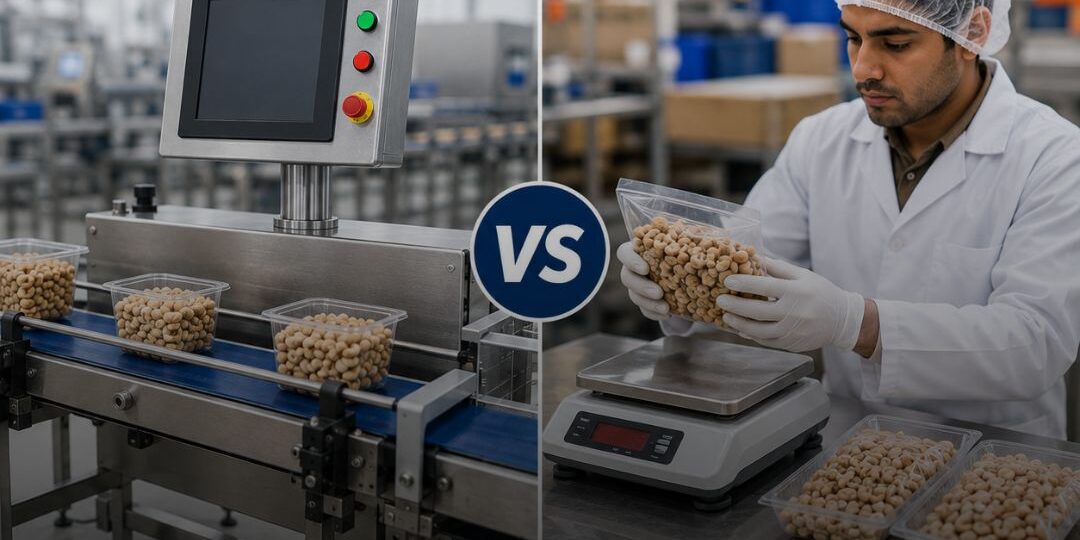
In today’s competitive manufacturing environment, accuracy, efficiency, and compliance are critical. Whether you’re operating in food processing, pharmaceuticals, FMCG, logistics, or industrial manufacturing, ensuring that every product meets weight specifications is essential. Many businesses still rely on manual weight inspection, while others have upgraded to an automated Check Weigher system. But which method delivers better results for modern production lines? In this article, we’ll compare manual weight inspection and automated check weighers to help you determine the best solution for your business.    What is a Check Weigher? A Check Weigher is an automated weighing system installed directly on a production line. It measures the weight of products while they move along a conveyor and automatically identifies underweight, overweight, or non-compliant products. Modern check weighers can inspect hundreds of products per minute without interrupting production flow. Key Functions of a Check Weigher Real-time weight verification Detection of underfilled or overfilled products Automatic rejection of non-compliant items Production data collection and reporting Quality control automation What is Manual Weight Inspection? Manual weight inspection involves employees weighing products individually using platform scales, bench scales, or weighing machines. Operators compare the measured weight with predefined specifications and manually remove products that do not meet requirements. While this method is common in small-scale operations, it presents several limitations in high-volume production environments. Check Weigher vs Manual Weight Inspection Accuracy Check Weigher High precision and consistency Eliminates human calculation errors Maintains accuracy even at high production speeds Manual Inspection Dependent on operator skill Greater risk of human error Inconsistent results across shifts Production Speed Check Weigher Weighs products continuously Suitable for high-speed production lines No interruption to manufacturing flow Manual Inspection Requires products to be stopped and checked Slows production output Creates bottlenecks during peak demand Labor Costs Check Weigher Requires minimal operator involvement Reduces dependency on manual inspection teams Lowers long-term labor costs Manual Inspection Requires dedicated personnel Increased labor expenses Higher training requirements Quality Control Check Weigher 100% product inspection Immediate detection of weight deviations Better compliance with quality standards Manual Inspection Often based on random sampling Defective products may go unnoticed Greater risk of customer complaints Data Collection & Traceability Check Weigher Modern check weighers generate production reports including: Product weights Batch information Rejection statistics Compliance records These reports help improve process control and support audits. Manual Inspection Requires manual record keeping Time-consuming documentation Greater chance of missing data Compliance Requirements Industries such as food, pharmaceuticals, chemicals, and consumer goods often require strict weight compliance. A Check Weigher helps businesses meet: Legal metrology requirements Food safety standards GMP compliance Customer quality specifications Manual inspection can make maintaining consistent compliance more difficult. Cost Comparison Many manufacturers assume manual inspection is cheaper because it requires less initial investment. However, when considering: Labor costs Product giveaway Rework expenses Compliance risks Customer returns An automated Check Weigher often delivers a significantly lower total cost of ownership over time.  When Manual Inspection May Still Work Manual weight inspection may be suitable for: Small production volumes Startups with limited budgets Low-speed manufacturing operations Occasional batch verification However, as production scales, automated systems become increasingly necessary.  When Should You Invest in a Check Weigher? Consider upgrading to a Check Weigher if you: Process large product volumes Experience weight-related quality issues Need regulatory compliance Want to reduce labor costs Require production data and reporting Aim to improve operational efficiency  Benefits of Careweigh Check Weighers At Careweigh, we manufacture advanced Check Weigher systems designed for modern production environments. Why Choose Careweigh? High-speed product inspection Accurate weight verification Robust industrial construction User-friendly interface Real-time monitoring and reporting Custom solutions for various industries Reliable after-sales support Our check weighers help manufacturers improve productivity, reduce wastage, and maintain consistent product quality.  Conclusion When comparing a Check Weigher with manual weight inspection, the advantages of automation are clear. Automated check weighers provide greater accuracy, faster inspection, lower labor costs, improved compliance, and better quality control. While manual inspection may work for small operations, growing businesses and high-speed production lines benefit significantly from investing in a reliable Check Weigher solution. Looking to improve your production efficiency? Contact Careweigh today to find the right check weigher system for your manufacturing process.
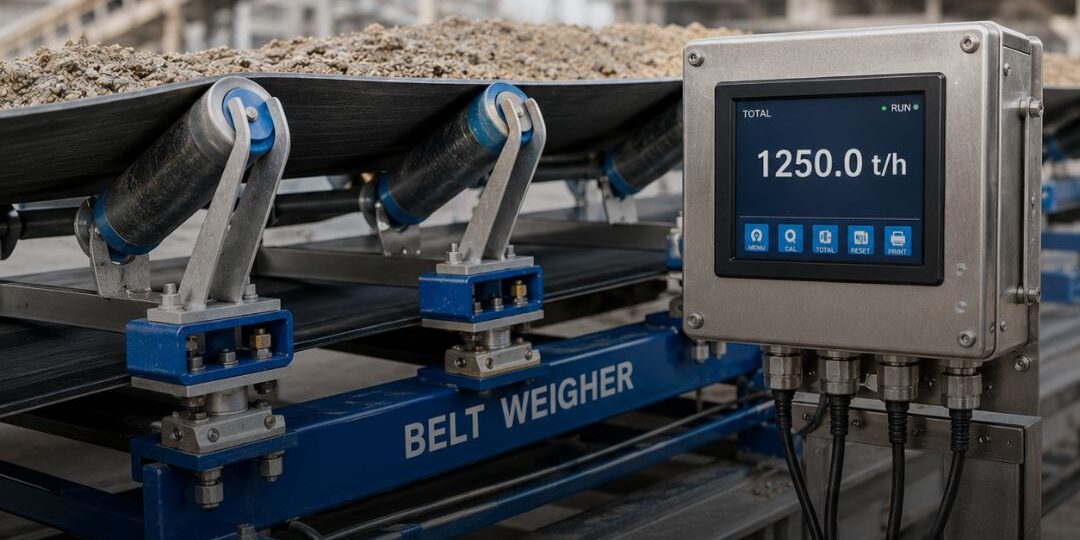
In industries where material handling and bulk processing are critical, accurate measurement plays a major role in productivity and profitability. A reliable Belt Weighing system helps industries monitor material flow, maintain production efficiency, reduce wastage, and improve operational control. However, many industries face accuracy issues in belt weighing system operations due to improper installation, maintenance errors, environmental conditions, or equipment wear. Even small inaccuracies in a belt weigher can result in: Production losses Inventory mismatch Increased operational cost Compliance problems Reduced process efficiency At Careweigh, we provide advanced industrial weighing solutions designed to deliver precise and reliable belt weighing performance across various industries. In this blog, we will discuss the most common accuracy problems in belt weighing systems and practical solutions to fix them. What is a Belt Weighing System? A Belt Weighing system, also known as a belt weigher or conveyor belt scale, is used to measure the quantity of material transported on a conveyor belt in real time. These systems are widely used in: Cement plants Mining industry Food processing Chemical industry Power plants Agriculture Logistics and bulk material handling The system mainly consists of: Load cells Conveyor belt Speed sensor Integrator/controller Conveyor structure Accurate performance depends on the proper functioning of all these components. Why Accuracy Matters in Belt Weighing Accurate belt weighing is essential because even minor deviations can create large financial losses over time. A high-precision system helps industries: Monitor production accurately Reduce material wastage Improve billing accuracy Maintain process efficiency Meet industrial compliance standards When accuracy issues in belt weighing system operations occur, businesses may experience inconsistent material flow data and operational inefficiencies. Common Accuracy Problems in Belt Weighing Systems Improper Conveyor Belt Alignment One of the most common causes of inaccurate belt weighing is poor belt alignment. If the conveyor belt moves unevenly or shifts sideways: Load distribution becomes inconsistent Load cells receive incorrect pressure Weight readings fluctuate How to Fix It Regularly inspect belt tracking Align conveyor rollers properly Ensure the belt runs centrally on the conveyor Proper belt alignment significantly improves weighing accuracy. Material Build-Up on Conveyor Components Dust, sticky material, or debris accumulation on rollers and idlers can affect the movement of the conveyor belt. This creates: Extra resistance Incorrect belt tension False weight readings How to Fix It Clean conveyor components regularly Use scrapers and cleaning systems Schedule preventive maintenance Keeping the conveyor clean improves the reliability of the Belt Weighing system. Load Cell Problems Load cells are the heart of any belt weighing system. Damaged or poorly calibrated load cells can cause serious measurement errors. Common load cell issues include: Overloading Physical damage Loose mounting Electrical faults How to Fix It Inspect load cells regularly Replace damaged sensors immediately Ensure proper mounting and wiring Perform periodic calibration At Careweigh, we use high-quality load cell technology for precise industrial weighing applications. Incorrect Calibration Improper calibration is a major reason for accuracy issues in belt weighing system performance. Without calibration: Readings drift over time Measurement accuracy decreases Production data becomes unreliable How to Fix It Perform routine calibration checks Use certified test weights Follow manufacturer calibration procedures Schedule professional calibration services Consistent calibration ensures long-term weighing accuracy. Belt Tension Variations Uneven belt tension can directly impact conveyor scale accuracy. Excessive or inconsistent tension may: Affect load cell response Create unstable readings Increase mechanical stress How to Fix It Maintain proper belt tension Inspect pulleys and rollers Replace worn conveyor components Balanced belt tension improves overall system stability. Conveyor Structure Vibrations Vibrations from nearby machinery or unstable conveyor structures can interfere with weighing signals. This often results in: Reading fluctuations Signal instability Reduced accuracy How to Fix It Strengthen conveyor structure Isolate vibration sources Use vibration-resistant mounting systems A stable conveyor structure is essential for accurate Belt Weighing. Speed Sensor Malfunction Belt weighing systems calculate material flow based on both weight and conveyor speed. If the speed sensor fails: Material flow calculations become incorrect Production reports become inaccurate How to Fix It Inspect speed sensors regularly Ensure proper sensor alignment Replace faulty sensors immediately Reliable speed measurement is critical for accurate performance. Environmental Factors Environmental conditions can also create accuracy issues in belt weighing system operations. Common environmental challenges include: Dust Moisture Temperature variations Wind exposure How to Fix It Use weather-protected weighing systems Install covers and enclosures Use industrial-grade components Modern belt weighing systems are designed to withstand harsh industrial conditions. Poor Installation Practices Incorrect installation can affect the overall accuracy of the entire system. Improper installation may include: Uneven weigh bridge setup Incorrect idler spacing Improper load cell positioning How to Fix It Follow manufacturer installation guidelines Use trained installation professionals Conduct installation accuracy tests Professional installation ensures optimal performance from day one. Lack of Preventive Maintenance Ignoring maintenance leads to gradual performance decline. Over time: Components wear out Calibration drifts Mechanical issues increase How to Fix It Implement a preventive maintenance schedule that includes: Cleaning Inspection Calibration Component replacement System testing Routine maintenance reduces downtime and improves accuracy. Best Practices to Improve Belt Weighing Accuracy To maintain high performance in industrial applications, industries should follow these best practices: Regular Calibration Perform scheduled calibration checks. Routine Inspection Inspect belts, rollers, load cells, and sensors frequently. Proper Conveyor Maintenance Maintain smooth conveyor operation. Environmental Protection Protect systems from dust and moisture. Operator Training Ensure operators understand proper system handling. Use Quality Equipment Choose reliable and industrial-grade weighing systems. Industries That Need Accurate Belt Weighing Systems Accurate Belt Weighing systems are essential for industries handling bulk materials. Cement Industry Measures raw materials and finished products. Mining Industry Tracks ore and mineral transportation. Food Industry Maintains consistent ingredient flow. Chemical Industry Ensures accurate batch processing. Agriculture Measures grains, fertilizers, and seeds. Logistics & Warehousing Supports inventory and material flow management. Conclusion Accuracy is the foundation of an efficient material handling process. Ignoring accuracy issues in belt weighing system operations can lead to production losses, poor inventory management, and increased costs. Investing in a high-quality Belt Weighing solution from Careweigh helps businesses…

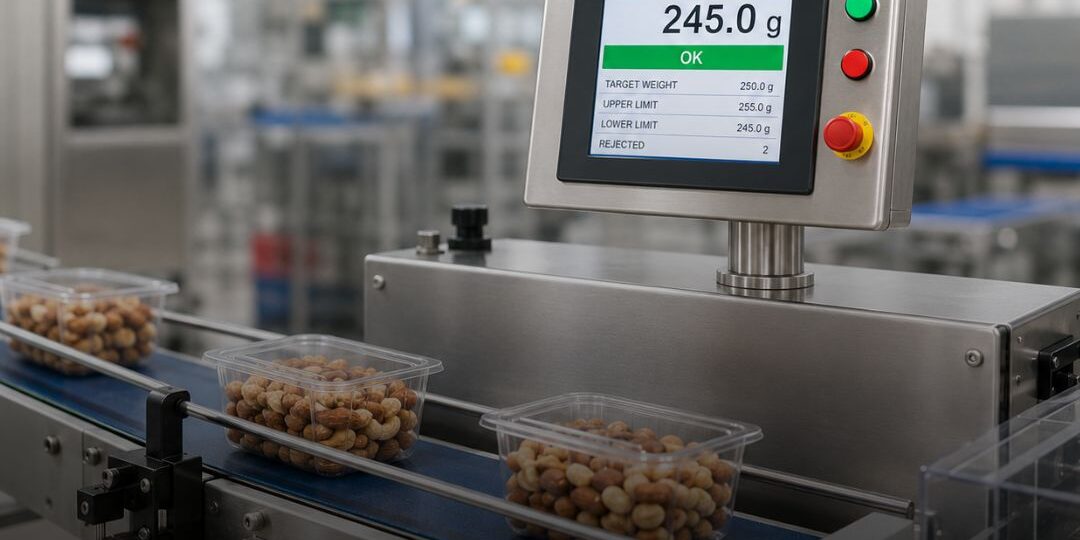
In the modern food processing industry, accuracy is everything. From packaging consistency to regulatory compliance, every gram matters. This is where a check weigher becomes an essential part of the production line. Whether you manufacture snacks, dairy products, frozen foods, spices, bakery items, or packaged meals, a reliable weighing machine helps maintain quality, reduce wastage, and improve operational efficiency. At Careweigh, we provide advanced check weigher solutions designed specifically for the food industry. What is a Check Weigher? A check weigher is an automated weighing machine used in production lines to verify the weight of packaged products while they move on a conveyor system. The system checks whether the product: Meets the target weight Is underweight Is overweight Matches packaging standards Products outside the acceptable weight range are automatically rejected from the line. Unlike manual inspection, a check weigher performs fast, accurate, and continuous weight checking without slowing production. Why is a Check Weigher Important in the Food Industry? The food industry operates under strict quality and safety regulations. Even minor weight inconsistencies can lead to customer complaints, financial losses, or compliance issues. A modern weighing machine helps food manufacturers maintain consistency while improving production efficiency. Ensures Accurate Product Weight Customers expect every food package to contain the exact quantity mentioned on the label. A check weigher ensures: Correct product quantity Uniform packaging Reduced customer complaints Better brand trust Reduces Product Giveaway Many food manufacturers intentionally overfill packages to avoid underweight issues. However, this increases material costs over time. A precision check weigher helps maintain exact weight accuracy, reducing unnecessary product giveaway and saving money. Maintains Regulatory Compliance Food packaging regulations require manufacturers to maintain accurate declared weights. Using a certified weighing machine helps businesses: Meet food safety standards Avoid legal penalties Pass quality audits Maintain export compliance Improves Production Efficiency Manual weighing takes time and increases human error. An automated check weigher: Speeds up inspection Reduces labor dependency Supports continuous production Minimizes downtime This leads to higher productivity and smoother operations. How Does a Food Industry Check Weigher Work? A conveyor-based check weigher operates in three simple stages: Step 1: Product Enters Conveyor The packaged food item moves onto the weighing conveyor. Step 2: Weight Measurement The weighing machine measures the product weight using precision load cells. Step 3: Product Verification The system compares the actual weight with the preset target weight. Correct weight → product continues Incorrect weight → product rejected automatically The entire process happens within seconds. Applications of Check Weighers in Food Industry Check weighers are widely used across different food sectors. Packaged Food Industry Snacks Chips Biscuits Instant food Dairy Industry Milk packets Cheese Butter Yogurt containers Bakery Industry Bread Cakes Cookies Frozen bakery items Frozen Food Industry Frozen vegetables Ready-to-eat meals Meat products Spice & Powder Packaging Flour Sugar Tea Coffee Spices Beverage Industry Bottles Cans Juice cartons Features of a Modern Food Industry Weighing Machine At Careweigh, our check weighers are designed for high-speed food production environments. High-Speed Operation Supports rapid production lines without compromising accuracy. Stainless Steel Construction Food-grade stainless steel body for hygiene and durability. High Accuracy Sensors Advanced load cell technology ensures precise measurements. User-Friendly Interface Easy-to-operate touchscreen display with real-time monitoring. Automatic Rejection System Rejects underweight or overweight products automatically. Data Storage & Reporting Tracks production data for quality analysis and audits. Easy Cleaning & Maintenance Designed for food industry hygiene standards. Benefits of Using a Check Weigher in Food Processing Better Product Quality Consistent packaging improves customer satisfaction. Reduced Operational Costs Minimizes material wastage and labor costs. Increased Brand Reputation Accurate packaging builds customer trust. Faster Production Automated weighing improves line efficiency. Improved Quality Control Helps detect missing or incomplete products. Choosing the Right Check Weigher for Your Food Business Selecting the right weighing machine depends on several factors. Product Type Different food products require different conveyor and weighing systems. Production Speed High-speed lines need faster weight processing systems. Weight Range The machine should support your package weight requirements. Accuracy Requirement Industries with strict compliance standards need higher precision. Washdown Requirements Food processing environments often require waterproof and easy-clean designs. Future of Check Weighers in Food Industry With increasing automation in food manufacturing, check weighers are becoming smarter and more efficient. Modern systems now offer: AI-based quality monitoring Production analytics IoT connectivity Real-time reporting Automated quality control integration Businesses investing in advanced weighing machines today are preparing for the future of smart manufacturing. Conclusion A check weigher is no longer just an optional machine in the food industry — it is a critical part of quality control and production efficiency. From reducing product giveaway to ensuring compliance and improving customer satisfaction, the right weighing machine can significantly improve your food manufacturing process. If you are looking for reliable and high-accuracy check weigher solutions for the food industry, Careweigh offers advanced systems tailored to your business needs.  

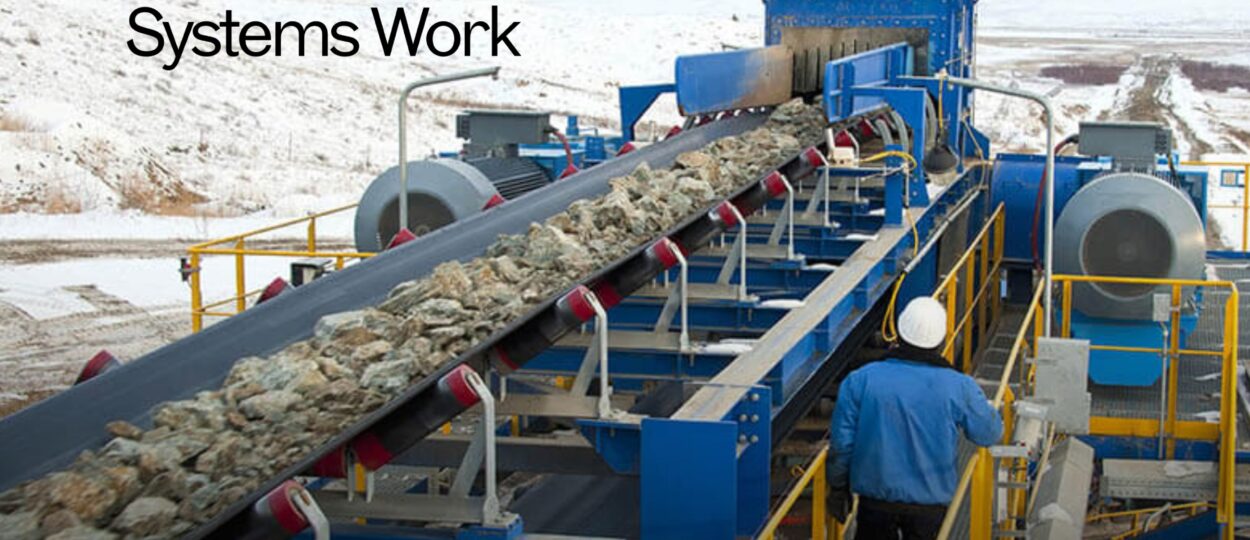
In modern industrial operations, accuracy and efficiency go hand in hand. Whether you are processing bulk materials in a cement plant, passing stone in conveyor belt in crushers, managing grain flow in a food processing facility, or monitoring coal output or iron ore flow rate in a mining operation, knowing the exact weight of materials moving along a conveyor is absolutely critical. This is precisely where conveyor based belt weighing technology steps in. At Careweigh, we specialise in delivering high-precision conveyor-belt weighing solutions that help industries achieve accuracy, reduce waste, and improve overall productivity. In this comprehensive blog, we will walk you through everything you need to know about conveyor belt weighing – from the basic working principle to components, types, applications, and maintenance best practices. What Is a Conveyor Belt Weighing System? A conveyor belt weighing system, commonly known as a belt weigher or belt scale, is an industrial instrument used to measure the flow rate and total quantity of bulk materials being transported on a moving conveyor belt. The system continuously weighs the material as it passes over a specific section of the belt and provides real-time data on both the instantaneous flow rate (typically measured in tonnes per hour) and the cumulative total weight (measured in tonnes or kilograms) The Basic Working Principle of Belt Scale Understanding how a conveyor belt weighing system works begins with three fundamental measurements: Load Per Unit Length A section of the conveyor belt passes over a weighing platform called a weighing idler frame. Load cells mounted beneath this frame detect the weight of the material sitting on that specific section of the belt. This gives us the load per unit length, measured in kilograms per metre. Belt Speed A speed sensor or tachometer is installed on the conveyor, typically connected to a tail pulley or an idler roller. It continuously measures the speed at which the belt is moving, expressed in metres per second or metres per minute. Flow Rate Calculation The belt weighing integrator or controller combines both values using a simple but powerful formula: By integrating this flow rate over time, the system also calculates the total cumulative weight of material that has passed through. Key Components of a Conveyor Belt Weighing System A complete conveyor belt weighing system is made up of several precisely engineered components working in perfect coordination. Weighing Frame Assembly The weigh frame is the structural backbone of the system. It is a specially designed frame that will be placed beneath the carrying idler at a correct location in a conveyor. Load Cells Load cells are the sensing heart of any conveyor belt weighing setup. They convert mechanical force (the weight of material on the belt) into an electrical signal. Speed Sensor (Tachometer) The speed sensor monitors the velocity of the moving belt at all times. It is usually a rotary encoder or proximity sensor attached to a freely rotating wheel that maintains constant contact with the belt surface. Integrator (Controller / Display Unit) The integrator is the electronic brain of the conveyor belt weighing system. It receives continuous signals from both the load cells and the speed sensor, performs the flow rate calculation, displays real-time readings, stores totalised weight data, and often provides output signals for alarms, batch control, or remote monitoring systems. Calibration Weights To ensure ongoing accuracy, conveyor belt weighing systems are periodically tested and calibrated using certified test weights  that simulates a known load across the belt weigher frame. Types of Belt Weighing System for Conveyors   At Careweigh, we specialise in single idler conveyor belt weighing systems and weigh feeder systems, designed for reliability, cost-effectiveness, and easy installation across Indian industrial conditions. Single Idler Belt Weigher The single idler belt weigher uses a single weigh idler supported by precision load cells to measure material flow on the conveyor. Accuracy: ±2% (depending on installation & material conditions) Ideal for: Cement plants,Coal handling ,Aggregates & mining ,Food & grain industries,Sugar Factories Weigh Feeder A weigh feeder is a fully integrated conveyor belt weighing system with PID designed specifically to control material feed rate. It continuously measures the flow of material and automatically adjusts belt speed to maintain a pre-set target rate. Applications of Conveyor Belt Weighing Across Industries Belt scales find critical application in virtually every industry that handles bulk materials. Mining and QuarryBelt weighers are used to measure ore, coal, limestone, and aggregates leaving crushers, stockpiles, or processing plants. Accurate data helps mine operators track production targets, manage shift outputs, and optimise processing costs. Cement Industry In cement manufacturing, precise conveyor belt weighing is essential for batching raw materials like limestone, clay, iron ore, and gypsum in the correct proportions. Grain and Food Processing Grain elevators, flour mills, and food processing plants use belt weighers to measure material throughput, manage inventory, and ensure correct recipe formulations. Steel and Metallurgy Raw material inputs like iron ore, coke, and coal are carefully tracked using conveyor belt weighing systems to manage blast furnace charges and sintering plant inputs. Power Generation Coal-fired power plants rely on conveyor belt weighing to monitor fuel consumption rates, manage boiler performance, and generate billing data for fuel suppliers. Chemical and Fertiliser Plants Accurate flow measurement of bulk chemicals and fertiliser materials is crucial for process control and product quality. Belt weighers integrated with automatic feed control systems keep operations running within tight tolerances. Ports and Bulk Terminals Ship loading and unloading operations use heavy-duty belt weighers to measure cargo tonnages for shipping documentation, billing, and inventory management. Advantages of Conveyor Belt Weighing Systems Investing in a reliable conveyor belt weighing system delivers significant operational and financial benefits: Continuous Real-Time Measurement –Unlike batch weighing, conveyor belt weighing provides uninterrupted flow data, allowing operators to respond instantly to production changes. High Throughput Without Downtime –Material keeps moving. There is no need to stop the production line for weighing, which means higher plant efficiency and throughput. Process Control and Automation –Integrating belt weighing data with plant control systems (PLC, SCADA, DCS)…

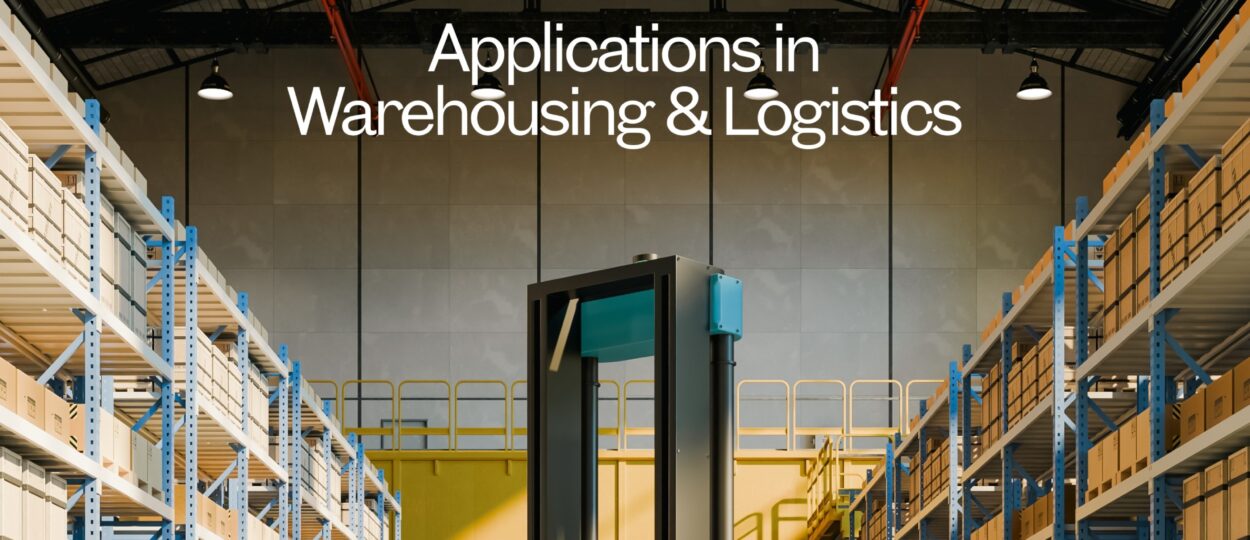
In today’s fast-moving supply chain environment, accuracy and efficiency are everything. Whether it’s managing inventory, dispatching goods, or ensuring compliance, businesses rely heavily on precise weight measurements. This is where a Platform Weighing Scale becomes an essential tool. From warehouses to logistics hubs, a weighing scale is not just equipment—it’s a critical part of daily operations that directly impacts productivity, cost control, and customer satisfaction. What is a Platform Weighing Scale? A Platform Weighing Scale is a heavy-duty weighing scale designed with a flat platform to measure bulky, heavy, or large items. Unlike small tabletop scales, these are built for industrial and commercial use, capable of handling weights ranging from 100 kg to several tons. Key Features: Strong and durable platform design High load-bearing capacity Accurate digital display Easy loading and unloading Suitable for heavy and large goods These features make the Platform Weighing Scale ideal for demanding environments like warehouses and logistics operations. Why Platform Weighing Scales Are Essential in Warehousing Warehousing operations require precision at every step—from receiving goods to storing and dispatching them. A reliable weighing scale ensures a smooth workflow and reduces errors. Accurate Inventory Management A Platform Weighing Scale helps in maintaining accurate stock records. By weighing incoming and outgoing goods, businesses can: Avoid stock mismatches Track inventory in real-time Reduce manual errors   2. Efficient Goods Handling Warehouses deal with heavy and bulky items daily. A Platform Weighing Scale simplifies handling by: Allowing quick weight checks Reducing time spent on manual calculations Improving overall operational efficiency   Better Space Utilisation Knowing the exact weight of goods helps in better planning of storage space. This ensures: Optimized warehouse layout Safe stacking of goods Reduced risk of overloading racks   Applications of Platform Weighing Scale in Logistics   Logistics is all about speed, accuracy, and cost efficiency. A weighing scale plays a crucial role in ensuring smooth transportation and delivery processes. 1. Shipment Weight Verification Before dispatching goods, logistics companies use a Platform Weighing Scale to verify shipment weight. This helps: Avoid under or overcharging Ensure compliance with transport regulations Prevent disputes with clients 2. Freight Cost Calculation Shipping costs are often based on weight. A precise weighing scale ensures: Accurate billing Cost transparency Better profit margins 3. Load Optimization Proper weight distribution is essential for safe transportation. Using a Platform Weighing Scale allows: Balanced loading of vehicles Reduced fuel consumption Prevention of accidents 4. Packaging & Dispatch Accuracy During packaging, weighing plays a key role in ensuring correct order fulfilment. A Platform Weighing Scale helps: Verify package weight Avoid shipping errors Improve customer satisfaction   Benefits of Using Platform Weighing Scale High Accuracy Modern weighing scales provide precise readings, ensuring reliable data for business decisions. Durability Designed for heavy-duty use, a Platform Weighing Scale can withstand rough industrial conditions. Time-Saving Quick measurements reduce delays in warehouse and logistics operations. Cost Efficiency Accurate weight measurement helps avoid losses due to incorrect billing or shipping errors. Improved Productivity Streamlined processes lead to faster operations and better workforce efficiency. Industries That Use Platform Weighing Scales A Platform Weighing Scale is widely used across multiple industries: Warehousing & Logistics Manufacturing Units Retail & Wholesale Markets Agriculture & Food Processing E-commerce & Distribution Centers How to Choose the Right Platform Weighing Scale Selecting the right weighing scale is crucial for your business needs. Consider These Factors: Weight Capacity – Choose based on your load requirements Accuracy Level – Essential for precise measurements Platform Size – Should match your goods size Durability – Industrial-grade materials for long-term use Digital Features – Easy-to-read display and advanced functions Why Choose Careweigh for Platform Weighing Scales? Careweigh is a trusted weighing machine manufacturer in India, offering high-quality and reliable solutions for industrial and commercial needs. What Sets Careweigh Apart: Precision-engineered weighing systems Durable and long-lasting products Advanced technology for accurate measurements Customized solutions for different industries Strong customer support and service Whether you run a warehouse, logistics company, or manufacturing unit, Careweigh provides the perfect Platform Weighing Machine to meet your needs. Conclusion: In the fast-paced world of warehousing and logistics, accuracy and efficiency are non-negotiable. A Platform Weighing Scale is not just a tool—it’s a necessity that ensures smooth operations, cost control, and customer satisfaction. By investing in a reliable weighing scale, businesses can improve productivity, reduce errors, and gain a competitive edge in the market. Looking for a reliable Platform Weighing Scale for your warehouse or logistics operations? Choose Careweigh for accurate, durable, and high-performance weighing solutions. Contact us today!

Choosing the right weighing machine is crucial for any business that depends on accurate measurements. Whether you run a retail shop, warehouse, manufacturing unit, or logistics company, the right weighing equipment ensures efficiency, compliance, and customer trust. With so many options available, selecting the best weighing machine can be confusing. This guide will help you understand what to look for and how to make the right decision for your business needs. Why Choosing the Right Weighing Machine Matters A high-quality weighing machine directly impacts your operations: Ensures accurate billing and transactions Improves operational efficiency Reduces errors and losses Helps meet legal and industry standards Builds trust with customers Types of Weighing Machines Before choosing, understand the different types available: Table Top Weighing Machine Ideal for retail shops, grocery stores, and small businesses. Compact and easy to use Perfect for quick measurements Platform Weighing Machine Used in warehouses and industrial setups. Handles heavy loads Durable and robust Crane Scale Best for lifting and weighing heavy materials. Used in construction and manufacturing Saves time and effort Precision Weighing Machine Suitable for labs and jewelry businesses. High accuracy Measures small quantities Price Computing Weighing Machine Common in retail businesses. Calculates price automatically Improves billing speed Key Factors to Consider When Choosing a Weighing Machine Accuracy and Precision Accuracy is the most important factor. Choose a weighing machine that provides reliable and consistent measurements. Capacity Select based on your business needs: Small capacity → Retail Medium capacity → Commercial use Heavy capacity → Industrial use Durability and Build Quality Look for machines made from high-quality materials that can withstand daily use, especially in industrial environments. Display and Ease of Use Clear digital display User-friendly interface Fast response time Compliance and Certification Ensure the weighing machine meets legal standards and certifications required in your industry. Maintenance and Support Choose a supplier that offers: Easy servicing Spare parts availability After-sales support Industry-Wise Recommendations Retail Businesses Use price computing or table-top weighing machines for quick billing. Warehousing & Logistics Platform weighing machines are ideal for bulk goods handling. Manufacturing Units Heavy-duty industrial weighing machines ensure efficiency and accuracy. Healthcare & Laboratories Precision weighing machines are essential for accurate measurements. Common Mistakes to Avoid Choosing based only on price Ignoring accuracy requirements Not considering future scalability Buying from unreliable suppliers Skipping certification checks Pro Tips for Choosing the Best Weighing Machine Always define your business requirements first Compare features, not just price Invest in a trusted brand Check reviews and testimonials Opt for machines with warranty and service support Conclusion Selecting the right weighing machine is a smart investment that improves efficiency, accuracy, and profitability. By understanding your business needs and evaluating key features, you can choose a machine that delivers long-term value. Whether you need a compact retail scale or a heavy-duty industrial system, the right choice will help your business grow with confidence. Looking for a reliable weighing machine for your business?Get expert guidance and high-quality solutions tailored to your needs. Contact Careweigh today for the best weighing machines in Pune.