
0

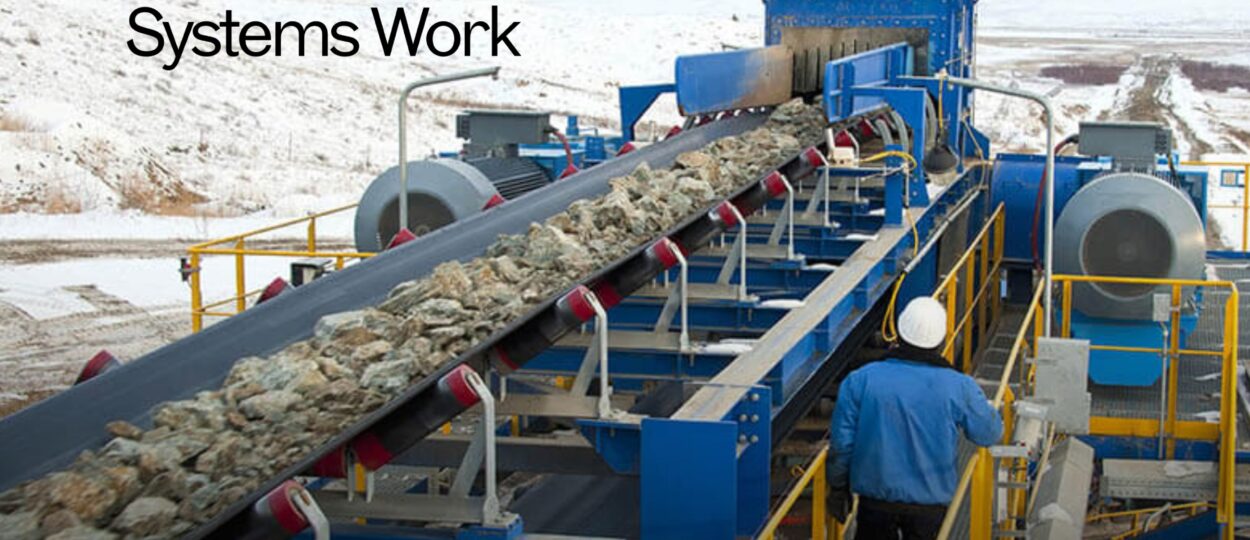
How Belt Weighing Systems Work – A Complete Guide by Careweigh
In modern industrial operations, accuracy and efficiency go hand in hand. Whether you are processing bulk materials in a cement plant, passing stone in conveyor belt in crushers, managing grain flow in a food processing facility, or monitoring coal output or iron ore flow rate in a mining operation, knowing the exact weight of materials moving along a conveyor is absolutely critical. This is precisely where conveyor based belt weighing technology steps in.
At Careweigh, we specialise in delivering high-precision conveyor-belt weighing solutions that help industries achieve accuracy, reduce waste, and improve overall productivity.
In this comprehensive blog, we will walk you through everything you need to know about conveyor belt weighing – from the basic working principle to components, types, applications, and maintenance best practices.
What Is a Conveyor Belt Weighing System?
A conveyor belt weighing system, commonly known as a belt weigher or belt scale, is an industrial instrument used to measure the flow rate and total quantity of bulk materials being transported on a moving conveyor belt. The system continuously weighs the material as it passes over a specific section of the belt and provides real-time data on both the instantaneous flow rate (typically measured in tonnes per hour) and the cumulative total weight (measured in tonnes or kilograms)
The Basic Working Principle of Belt Scale
Understanding how a conveyor belt weighing system works begins with three fundamental measurements:
- Load Per Unit Length
A section of the conveyor belt passes over a weighing platform called a weighing idler frame. Load cells mounted beneath this frame detect the weight of the material sitting on that specific section of the belt. This gives us the load per unit length, measured in kilograms per metre. - Belt Speed
A speed sensor or tachometer is installed on the conveyor, typically connected to a tail pulley or an idler roller. It continuously measures the speed at which the belt is moving, expressed in metres per second or metres per minute. - Flow Rate Calculation
The belt weighing integrator or controller combines both values using a simple but powerful formula:
By integrating this flow rate over time, the system also calculates the total cumulative weight of material that has passed through.
Key Components of a Conveyor Belt Weighing System
A complete conveyor belt weighing system is made up of several precisely engineered components working in perfect coordination.
- Weighing Frame Assembly
The weigh frame is the structural backbone of the system. It is a specially designed frame that will be placed beneath the carrying idler at a correct location in a conveyor.
- Load Cells
Load cells are the sensing heart of any conveyor belt weighing setup. They convert mechanical force (the weight of material on the belt) into an electrical signal.
- Speed Sensor (Tachometer)
The speed sensor monitors the velocity of the moving belt at all times. It is usually a rotary encoder or proximity sensor attached to a freely rotating wheel that maintains constant contact with the belt surface.
- Integrator (Controller / Display Unit)
The integrator is the electronic brain of the conveyor belt weighing system. It receives continuous signals from both the load cells and the speed sensor, performs the flow rate calculation, displays real-time readings, stores totalised weight data, and often provides output signals for alarms, batch control, or remote monitoring systems.
- Calibration Weights
To ensure ongoing accuracy, conveyor belt weighing systems are periodically tested and calibrated using certified test weights that simulates a known load across the belt weigher frame.
Types of Belt Weighing System for Conveyors
At Careweigh, we specialise in single idler conveyor belt weighing systems and weigh feeder systems, designed for reliability, cost-effectiveness, and easy installation across Indian industrial conditions.
- Single Idler Belt Weigher
The single idler belt weigher uses a single weigh idler supported by precision load cells to measure material flow on the conveyor.
- Accuracy: ±2% (depending on installation & material conditions)
- Ideal for: Cement plants,Coal handling ,Aggregates & mining ,Food & grain industries,Sugar Factories
- Weigh Feeder
A weigh feeder is a fully integrated conveyor belt weighing system with PID designed specifically to control material feed rate. It continuously measures the flow of material and automatically adjusts belt speed to maintain a pre-set target rate.
Applications of Conveyor Belt Weighing Across Industries
Belt scales find critical application in virtually every industry that handles bulk materials.
- Mining and Quarry
Belt weighers are used to measure ore, coal, limestone, and aggregates leaving crushers, stockpiles, or processing plants. Accurate data helps mine operators track production targets, manage shift outputs, and optimise processing costs. - Cement Industry
In cement manufacturing, precise conveyor belt weighing is essential for batching raw materials like limestone, clay, iron ore, and gypsum in the correct proportions. - Grain and Food Processing
Grain elevators, flour mills, and food processing plants use belt weighers to measure material throughput, manage inventory, and ensure correct recipe formulations. - Steel and Metallurgy
Raw material inputs like iron ore, coke, and coal are carefully tracked using conveyor belt weighing systems to manage blast furnace charges and sintering plant inputs. - Power Generation
Coal-fired power plants rely on conveyor belt weighing to monitor fuel consumption rates, manage boiler performance, and generate billing data for fuel suppliers. - Chemical and Fertiliser Plants
Accurate flow measurement of bulk chemicals and fertiliser materials is crucial for process control and product quality. Belt weighers integrated with automatic feed control systems keep operations running within tight tolerances. - Ports and Bulk Terminals
Ship loading and unloading operations use heavy-duty belt weighers to measure cargo tonnages for shipping documentation, billing, and inventory management.
Advantages of Conveyor Belt Weighing Systems
Investing in a reliable conveyor belt weighing system delivers significant operational and financial benefits:
- Continuous Real-Time Measurement –
Unlike batch weighing, conveyor belt weighing provides uninterrupted flow data, allowing operators to respond instantly to production changes. - High Throughput Without Downtime –
Material keeps moving. There is no need to stop the production line for weighing, which means higher plant efficiency and throughput. - Process Control and Automation –
Integrating belt weighing data with plant control systems (PLC, SCADA, DCS) enables automatic adjustments to feed rates, improving product consistency and reducing raw material waste. - Inventory Management –
Accurate totalised weight data helps plant managers track material usage, manage supplier deliveries, and conduct inventory audits with confidence. - Cost Savings –
Knowing exactly how much material is being consumed and produced helps identify inefficiencies, reduce over-feeding, and cut unnecessary operational costs.
Common Challenges in Belt Weighing and How to Overcome Them
Even the best conveyor belt weighing systems can face operational challenges. Being aware of them and addressing them proactively is key to maintaining accuracy.
- Belt Tension Variations Changes in belt tension caused by material loading, temperature, or belt stretch can affect the load reading on the weigh bridge. Multi-idler belt weighers and proper belt tensioning practices help minimise this effect.
- Material Build-Up Sticky materials can accumulate on the belt, idlers, or weigh bridge structure, adding false tare weight to readings. Regular cleaning and the use of belt scrapers are essential.
- Belt Mistracking A belt that runs off-centre can cause uneven loading on the weigh bridge and inaccurate readings.
- Environmental Factors Dust, moisture, temperature extremes, and vibration from nearby machinery can affect load cell and sensor performance
- Calibration Drift All measuring instruments are subject to drift over time. Establishing a routine calibration schedule and keeping accurate calibration records ensures that any deviation is caught and corrected early.
Why Choose Careweigh for Your Conveyor Belt Weighing Needs
At Careweigh, we have built our reputation on delivering conveyor belt weighing systems that combine precision engineering with robust construction and intelligent electronic control. Here is what sets us apart:
Every Careweigh belt weigher is backed by comprehensive installation support, commissioning assistance, operator training, and after-sales service.
Whether you need a single idler belt weigher for a small quarry application or a complete multi-idler, high-accuracy system for a large bulk terminal, Careweigh has the expertise and product range to meet your requirements.
Conclusion:
From raw material intake to finished product dispatch, beltweigher plays an indispensable role in the smooth, accurate, and profitable operation of bulk material handling plants. Careweigh is committed to helping industries across India and beyond harness the full potential of conveyor belt weighing technology. With our range of precision belt scales, weigh feeders, and intelligent integrators, we deliver solutions that you can trust – shift after shift, year after year.
Contact Careweigh today to discuss your conveyor belt weighing requirements and let our experts help you find the perfect solution for your application.
Categorycareweigh
