
0
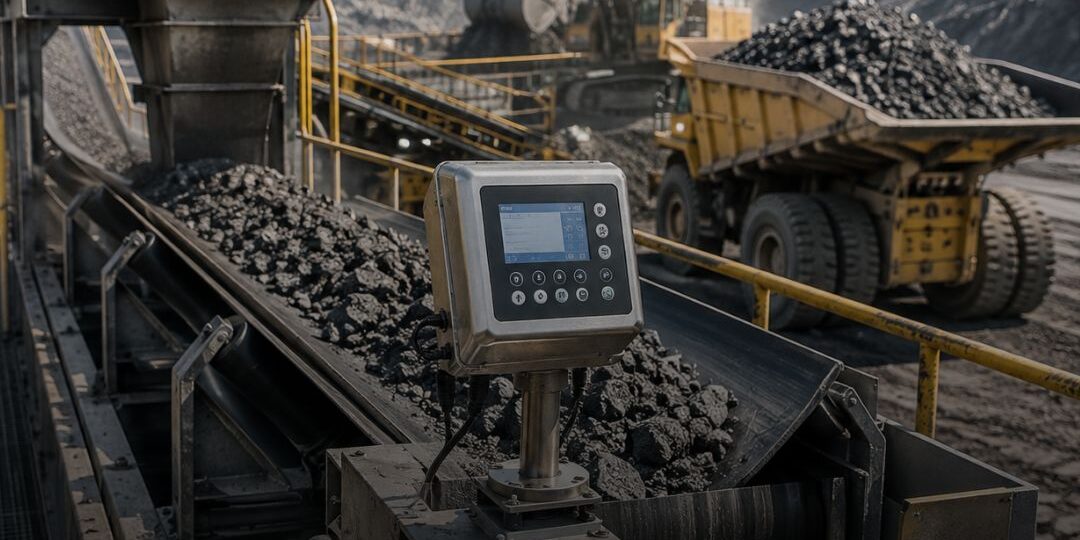
Importance of Accurate Weighing in the Mining Industry
The mining industry handles large quantities of raw materials every day, including coal, minerals, ores, limestone, aggregates, and other bulk materials. Accurate weight measurement is important at every stage, from material extraction and processing to transportation and final dispatch.
Even a small weighing error can lead to material loss, incorrect production records, higher operating costs, and inaccurate inventory data. Using a reliable weighing machine for mining industry operations helps businesses measure materials accurately, monitor production, improve efficiency, and make better decisions.
Modern industrial weighing systems provide real-time weight data and help mining companies maintain better control over material movement.
Why Is Accurate Weighing Important in the Mining Industry?
Mining operations involve continuous material movement. Raw materials are extracted, loaded, transported, crushed, processed, stored, and dispatched. Accurate weighing helps track the quantity of material at each stage.
Without a reliable weighing system, businesses may face differences between actual material quantities and recorded data. These differences can affect inventory, production planning, transportation, and overall profitability.
A suitable weighing machine for mining industry applications can provide accurate data and improve transparency across mining operations.
Key Benefits of Accurate Weighing in Mining Operations
1. Improves Material Tracking
Mining companies handle large quantities of bulk materials. Accurate weighing helps businesses understand how much material is:
- Extracted
- Transported
- Processed
- Stored
- Dispatched
Reliable weight information makes it easier to track material movement throughout the production process.
A weighing system can provide real-time data and help identify unexpected material differences at an early stage.
2. Reduces Material Loss
Material loss can occur during loading, transportation, processing, or storage. Small measurement errors can become significant when large quantities are handled daily.
Accurate weighing helps compare material quantities at different stages. This makes it easier to identify possible losses and take corrective action.
Using a reliable weighing machine for mining industry operations can improve material accountability and reduce unnecessary losses.
3. Supports Accurate Inventory Management
Mining companies need accurate inventory information for effective planning.
Incorrect weight data may result in:
- Excess material stock
- Material shortages
- Incorrect inventory records
- Delays in production
- Poor purchasing decisions
Accurate weighing helps businesses maintain reliable inventory records and understand the actual quantity of materials available. Real-time weight data can also improve coordination between production, storage, and dispatch teams.
4. Improves Production Efficiency
Accurate weighing provides useful information about material flow and production performance.
Mining companies can use weight data to:
- Monitor production output
- Compare planned and actual production
- Identify process delays
- Improve equipment performance
- Manage material flow
When production teams have access to accurate information, they can make faster decisions and improve operational efficiency.
5. Helps Control Operating Costs
Mining operations involve significant costs related to labour, equipment, fuel, transportation, and material handling.
Incorrect weighing can increase costs because of:
- Material overloading
- Product loss
- Incorrect transportation planning
- Unnecessary equipment use
- Inaccurate billing
Accurate weighing helps companies understand material quantities and manage resources more effectively.
A suitable weighing machine for mining industry applications can support better cost control and reduce avoidable expenses.
Applications of Weighing Machines in the Mining Industry
Industrial weighing systems can be used at different stages of mining operations.
Common applications include:
- Measuring extracted materials
- Monitoring conveyor material flow
- Weighing coal and minerals
- Measuring crushed materials
- Tracking ores and aggregates
- Managing raw material inventory
- Monitoring production output
- Measuring materials before transportation
- Supporting loading and dispatch operations
The type of weighing system required depends on the material, production process, operating environment, and required weighing capacity.
Types of Weighing Systems Used in Mining
Different weighing systems are used depending on the mining application.
è Belt Weighers
A belt weigher continuously measures bulk materials moving on a conveyor belt.
It can be used to measure:
- Coal
- Iron ore
- Limestone
- Sand
- Minerals
- Crushed stone
- Aggregates
Belt weighers provide continuous weight information without stopping material movement.
They can help monitor:
- Material flow rate
- Total material quantity
- Conveyor performance
- Production output
Belt weighing systems are commonly used in mining, quarrying, cement production, and bulk material handling.
è Platform Weighing Scales
Platform weighing scales are used to measure heavy materials, containers, bags, equipment parts, and industrial products.
They are suitable for applications where materials are placed directly on a weighing platform.
Platform scales can be used in:
- Mining warehouses
- Material storage areas
- Processing units
- Packaging sections
- Dispatch areas
è Hopper Weighing Systems
Hopper weighing systems measure bulk materials stored or processed inside hoppers. They can help control the quantity of material supplied to different stages of production.
These systems may be used for:
- Batch weighing
- Material loading
- Process control
- Production monitoring
è Tank and Silo Weighing Systems
Tank and silo weighing systems use load cells to measure materials stored inside tanks, bins, or silos. They can provide accurate information about the quantity of stored material and support inventory management.
è Heavy-Duty Industrial Weighing Systems
Mining environments often require high-capacity weighing systems designed for heavy loads and demanding operating conditions. The weighing system should be selected according to the material type, load capacity, accuracy requirements, and operating environment.
How Belt Weighers Improve Mining Operations
Conveyor systems are widely used to transport bulk materials in the mining industry.
A belt weigher measures the material moving on the conveyor without interrupting production. It provides continuous information about material flow.
Benefits of belt weighers include:
- Continuous material measurement
- Real-time production monitoring
- Improved material tracking
- Reduced manual weighing
- Better process control
- Accurate production records
- Improved operational efficiency
Belt weighers can help production teams identify changes in material flow and make timely adjustments.
How Accurate Weighing Improves Material Transportation
Transportation is an important part of mining operations. Materials are moved between extraction areas, processing plants, storage locations, and customer sites.
Accurate weighing helps ensure that the correct quantity of material is loaded for transportation.
It can help reduce:
- Underloading
- Overloading
- Incorrect dispatch quantities
- Transportation delays
- Billing differences
Reliable weight data also supports better planning for vehicles and material movement.
Role of Weighing Data in Mining Operations
Modern weighing systems can provide valuable production data.
This may include:
- Total material weight
- Current material flow rate
- Production quantity
- Material movement trends
- Batch weight information
- Daily production records
Mining companies can use this data to monitor operations and improve production planning.
Accurate weighing information can also support communication between production, inventory, maintenance, and management teams.
Challenges That Can Affect Weighing Accuracy in Mining
Mining environments can be demanding. Dust, vibration, heavy loads, temperature changes, and continuous equipment operation may affect weighing performance.
Common factors include:
- Incorrect installation
- Conveyor vibration
- Material buildup
- Uneven material flow
- Changes in belt tension
- Improper calibration
- Equipment wear
- Environmental conditions
Regular inspection and maintenance are important for maintaining reliable weighing performance.
How to Improve Weighing Accuracy in Mining Operations
Mining companies can improve weighing accuracy by following these practices:
è Choose the Right Weighing System
Select equipment based on:
- Material type
- Weight capacity
- Required accuracy
- Production speed
- Operating environment
è Install the Equipment Correctly
Proper installation is important for reliable weighing. The equipment should be installed according to application requirements and manufacturer recommendations.
è Perform Regular Calibration
Calibration helps confirm that the weighing system provides accurate measurements.
The calibration schedule may depend on equipment use, operating conditions, and accuracy requirements.
è Keep the Weighing Area Clean
Dust, material buildup, and debris may affect weighing performance.
Regular cleaning can help maintain accurate measurements and reliable equipment operation.
è Schedule Preventive Maintenance
Regular maintenance can help identify worn components, loose connections, and performance issues before they affect operations.
How to Choose a Weighing Machine for Mining Industry Applications
Before selecting a weighing system, consider the following factors:
· Material Type
Understand whether the system will measure coal, ore, minerals, limestone, aggregates, sand, or another material.
· Weighing Capacity
Choose equipment that can safely handle the expected minimum and maximum load.
· Required Accuracy
The required level of accuracy depends on the application and production requirements.
· Operating Conditions
Consider dust, vibration, moisture, temperature, and equipment operating hours.
· Production Process
Determine whether the material is weighed on a conveyor, platform, hopper, tank, or silo.
· Data and Integration Requirements
Modern weighing systems may provide data for production monitoring and process control.
Choose a system that meets your reporting and integration requirements.
Benefits of Using a Reliable Weighing Machine in Mining
A reliable weighing machine for mining industry operations can provide several benefits:
- Accurate material measurement
- Better inventory management
- Reduced material loss
- Improved production monitoring
- Better cost control
- Efficient transportation planning
- Reliable production records
- Reduced manual measurement
- Improved operational efficiency
- Better decision-making
Why Choose Careweigh for Mining Industry Weighing Solutions?
Careweigh provides industrial weighing solutions designed for different production and material-handling requirements.
Mining companies can select weighing systems based on:
- Material type
- Weighing capacity
- Required accuracy
- Conveyor specifications
- Production requirements
- Operating conditions
Careweigh weighing solutions can help businesses improve material measurement, production monitoring, inventory management, and process efficiency..
Conclusion
Accurate weighing is important in the mining industry because it helps track materials, reduce losses, manage inventory, and improve production efficiency.
A reliable weighing machine for mining industry operations provides accurate weight data and helps businesses control costs and make better decisions. By choosing the right weighing solution, mining companies can improve material management and overall productivity. Improve material accuracy, production monitoring, and operational efficiency with a reliable industrial weighing solution. Contact Careweigh to discuss your material type, weighing capacity, production process, and operational requirements.
CategoryUncategorized
